Welcome to Lainey Feingold’s website. Lainey is a disability rights lawyer who has worked to make the digital world more accessible since 1995. She helped negotiate the first web accessibility agreement in the United States in 2000. Read a short summary of this page.
Lainey developed and practices Structured Negotiation, a dispute resolution and collaboration strategy that avoids lawsuits, focuses on lasting change and relationship-building, and has been used to advance accessibility for more than a quarter century. She is the author of Structured Negotiation: A Winning Alternative to Lawsuits.
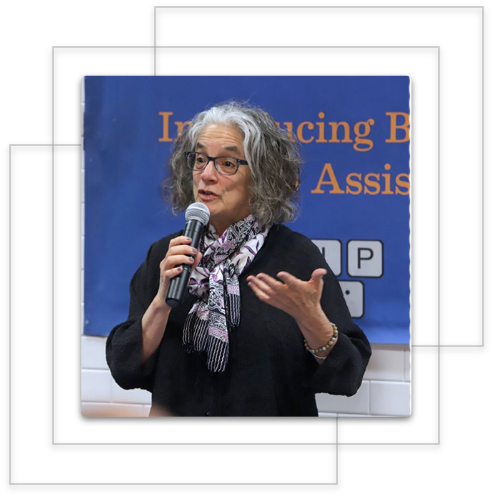
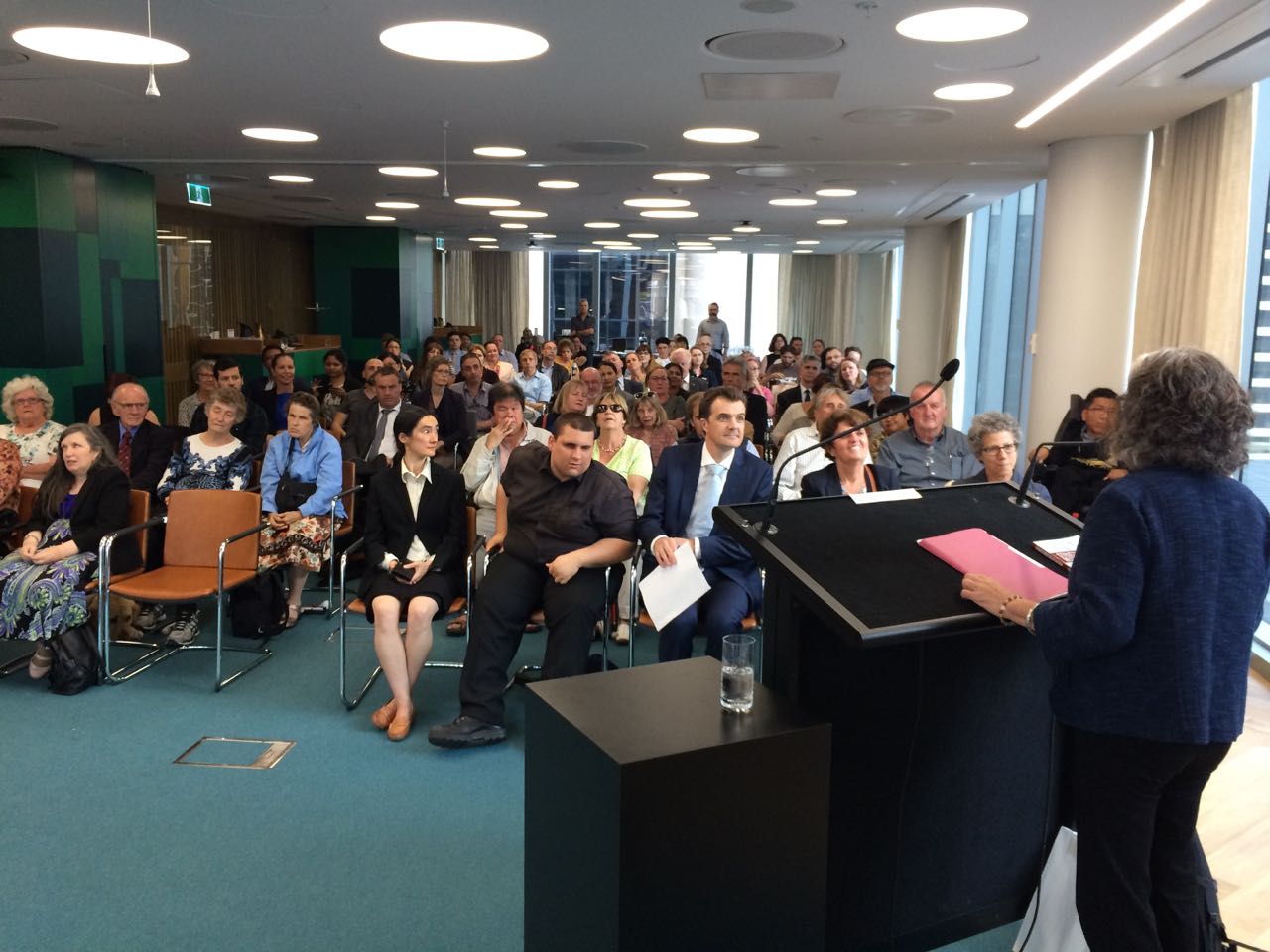
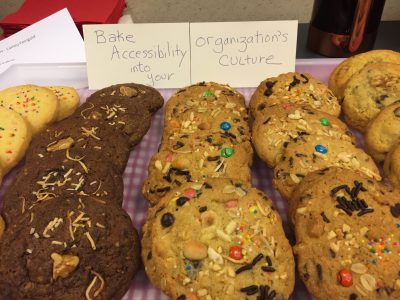
Lainey is also a consultant and an international speaker and trainer on issues including collaborative problem solving (Structured Negotiation), the digital accessibility legal space, accessible procurement, and best practices for baking digital accessibility into policies and practices of organizations large and small. Read what people say about Lainey Feingold’s talks and trainings.
In 2017 she was selected as an American Bar Association Legal Rebel – a group of “innovators who are remaking the legal profession.” She has twice been recognized with a California Lawyer Attorney of the Year (CLAY) award (in 2000 and 2014).
This website was designed to be usable by people with and without disabilities. Read our Accessibility Statement for more information.
On this homepage
Here are quick links to content on this page. Jump to:
- Most Recent Articles, including digital accessibility legal updates
- Most popular articles
- Invite Lainey to speak
- Learn about Lainey’s book
- Learn about Lainey’s social media accounts
Why dolphins?
The dolphins swimming at the top of Lainey’s website are there for a reason. People often associate shark-like behavior as necessary for effective advocacy. Lainey’s experience says otherwise.
She uses the shark vs. dolphin metaphor in her book, other writings, talks, and trainings to drive home a simple idea: You don’t have to be a shark to get things done. Dolphin skills include open communication, transparency, collaboration, active listening, and relationship-building.
These and similar qualities have contributed to successful Structured Negotiation outcomes without the conflict of litigation for more than two decades. Read more about dolphins and negotiating qualities.






Follow Lainey on Social Media
Lainey uses her Twitter and LinkedIn accounts to build community and share information about the digital accessibility legal space, collaborative problem solving, and disability rights. She credits Twitter for helping to create and grow the vibrant global digital accessibility community.