2009
You are reviewing articles published in 2009.

Talking ATM History: Early Structured Negotiations in New England and the Midwest
This post is one in an ongoing series on the history of the advocacy and technology behind Talking ATMs. A short summary of all articles in this series is available by selecting the Talking ATM History link on the Categories Page of this website. In this post you can read about early Massachusetts Talking ATM advocacy and Talking ATM efforts in Chicago and the Midwest.
Read more… Talking ATM History: Early Structured Negotiations in New England and the Midwest
Talking ATMS: Ten Years of Accessible Banking Technology
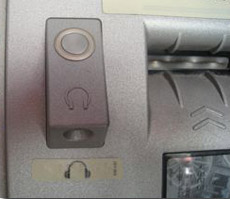
Trader Joe’s Point of Sale Agreement and Amendment

Target Point of Sale Settlement Agreement

Staples Point of Sale Press Release
CVS Accessible Web Site and Point of Sale Settlement Agreement
In the CVS Accessible Web Site and Point of Sale Settlement Agreement below, CVS agreed to install tactile point of sale devices in every CVS store in the United States and to upgrade its website to comply with the Web Content Accessibility Guidelines (WCAG) promulgated by the Web Accessibility Initiative (WAI) of the World Wide Web Consortium. The Agreement was negotiated by Lainey Feingold and Linda Dardarian using Structured Negotiations on behalf of the American Council of the Blind (ACB), the American Foundation for the Blind, and the California Council of the Blind (CCB).
Read more… CVS Accessible Web Site and Point of Sale Settlement Agreement
Share Your Talking ATM Experience
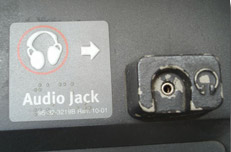
Seeking Feedback!
New York A.G. Announces Comprehensive Web Access Settlement
Congratulations to New York State Attorney General Andrew M. Cuomo’s office for its announcement this week of a comprehensive accessibility settlement with HSBC Card Services. Read the NY AG’s press release. The settlement, negotiated by attorney Jeffrey Powell in the Bureau of Consumer Frauds and Protection, addresses web accessibility, alternative formats for visually impaired customers, relay service for deaf and hearing impaired customers, and other important accessiblity issues. Under the Agreement, the HSBC web site will satisfy Conformance level AA of the Web Content Accessibility Guidelines (WCAG) 2.0, promulgated by the Web Accessibility Initiative (WAI) of the World Wide Web Consortium (w3c) no later than May 31, 2010.
Read more… New York A.G. Announces Comprehensive Web Access Settlement