Important Content


Navigation Guide


People in the News

The entries on this site are organized by category and by date. You are in the People in the News category. Content is posted within each category in chronological order, with the most recent entries first. For a complete list of categories and sub-categories on this site, visit the categories page. You may also find content by using the search feature or the site map. Consult the archives for content organized by date and title.

Cynthia Waddell: Early Leader in Web Accessibility Legal Theory and Advocacy

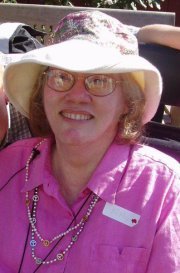
Cynthia Waddell PhotoCynthia Waddell, a pioneer in developing and advocating for legal theories to support website accessibility for people with disabilities, died on April 2, 2013. In 1998, two years before the first Structured Negotiations web accessibility settlement, eight years before the Target web litigation was filed, and long before the U.S. Department of Justice stated its intention to issue web accessibility regulations, Cynthia wrote articles and gave speeches explaining the legal basis for universal design in the development of webpages. Before Twitter and its ubiquitous #a11y and #ux hashtags, Cynthia was an international advocate for an inclusive web, open to all.


Today’s Tactile Keypad: Thank you John E. Karlin

KeypadTactile keypads are a crucial element of accessibility for people who are blind and visually impaired. Apple has shown that a touchscreen can be made accessible, but in the absence of tactile keypads, significant swaths of today’s technology and electronics are off limits to persons who cannot see, and to others with disabilities as well. As with many ubiquitous elements of the built environment, we often fail to appreciate the origins — or the originator– of the technology we rely on. This is certainly true for tactile keypads, or it was true until a fascinating obituary of John E. Karlin published in the New York Times earlier this month. Mr. Karlin deserves to be called the father of today’s tactile keypad.


Paul Longmore: Giant of the Disability Rights Movement (1946 - 2010)

Paul Longmore Photo The international disability rights movement lost a brilliant leader and great thinker on August 9, 2010 when Paul Longmore died unexpectedly at his home in San Francisco. Longmore, Professor of History and Director of the Institute on Disability at San Francisco State University was a thoughtful and visionary scholar, disability studies pioneer, fierce advocate and role model to many.


Linda Dardarian: Structured Negotiations Leader Recognized as California Super Lawyer

Linda Dardarian Photo For the sixth year in a row, Linda Dardarian has been named a California Super Lawyer by her peers in the legal community. Linda, a partner in the Oakland California civil rights firm of Goldstein, Demchak, Baller, Borgen & Dardarian, has been Lainey Feingold’s principal co-counsel in Structured Negotiations cases for the past fifteen years. Linda has played a critical role in developing Structured Negotiations as an advocacy and dispute resolution method and in effectively implementing it in a wide variety of cases.


Talking ATM History: Steven Mendelsohn and Citibank Talking ATMs

Citibank Talking ATM sign stating enhanced for the visually impaired This post is one in a series about the history of Talking ATMs in the United States and worldwide. Structured Negotiations depends on the commitment, effort and creativity of many individuals, including members of the disability community who serve as Claimants. This post, about the history of Citibank Talking ATMs, includes an excerpt from a longer profile of disability activist and attorney Steve Mendelsohn that appeared in the Equity e-Newsletter published by WID. Steve was instrumental in advocacy efforts for Talking ATMs and was one of the Claimants in the Structured Negotiations with Citibank that resulted in that bank’s agreement in 1999 to install accessible ATMs.


William Loughborough: Web Geezer Extraordinaire

William LoughboroughAccessibility advocate, gadfly and big thinker Bill Loughborough died on April 7. The news, with abbreviated tributes, was all over Twitter, as it should have been. They say Twitter is for the young, and you’re a Tweezer over age 40. Or is it 30? But the first line on Bill Loughborough’s WebGeezer page says: “Those of us past 80 years old find it amusing that old folks are still thought of as Resistant to learning new things.”


[ Top ]