The entries on this site are organized by category and by date. You are in the Web Accessibility Settlements category. Content is posted within each category in chronological order, with the most recent entries first. For a complete list of categories and sub-categories on this site, visit the categories page. You may also find content by using the search feature or the site map. Consult the archives for content organized by date and title.
Web Accessibility Settlements
Rite Aid Web Accessibility Agreement
The Rite Aid Web Accessibility Agreement was negotiated by Lainey Feingold and co-counsel Linda Dardarian using Structured Negotiations on behalf of the American Council of the Blind (ACB), the American Foundation for the Blind (AFB), and the California Council of the Blind (CCB). In this agreement, Rite Aid committed to upgrade its website to comply with the Web Content Accessibility Guidelines (WCAG) promulgated by the Web Accessibility Initiative (WAI) of the World Wide Web Consortium. The agreement specifically states that if there is a visual “Captcha” on the Rite Aid web site, there will also be an alternative security measure that is equally effective and usable by blind and visually-impaired users. At the time this web accessibility agreement was negotiated, these parties also negotiated a Rite Aid Point of Sale Agreement to ensure that devices in over 5,000 Rite Aid stores have tactile keypads so that a blind customer can independently enter his or her PIN.
Accessible Credit Reports Agreement
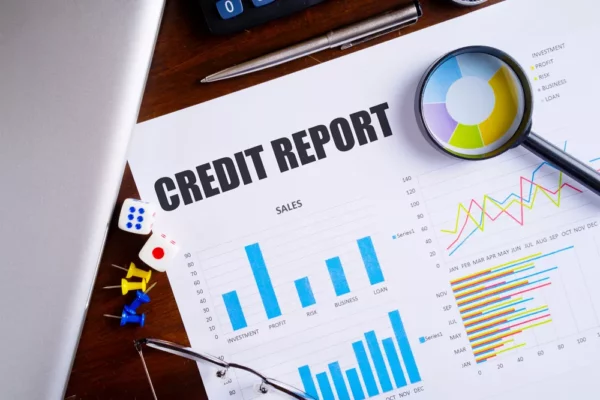
The accessible credit reports agreement was negotiated by Lainey Feingold and Linda Dardarian on behalf of the American Council of the Blind, the California Council of the Blind and blind individuals Paul Parravano, Lucy Greco and Lori Gray. In the Agreement, Equifax, Experian and TransUnion agreed to provide credit reports that are accessible to people who are blind and visually impaired. On-line reports will meet standards established by the Web Accessibility Initiative of the World Wide Web Consortium, and credit reports will be made available in Braille, Large Print, and on audio CD.
RadioShack POS and Web Agreement
The RadioShack POS and Web Settlement Agreement was negotiated by Lainey Feingold and Linda Dardarian using Structured Negotiations on behalf of the American Council of the Blind (ACB), the American Foundation for the Blind, and the California Council of the Blind (CCB). In the Agreement, RadioShack agreed to install tactile point of sale devices in every RadioShack store in the United States and to upgrade its website to comply with the Web Content Accessibility Guidelines (WCAG) promulgated by the Web Accessibility Initiative (WAI) of the World Wide Web Consortium.
La Salle Final Agreement
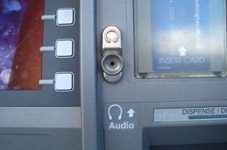
The LaSalle Final Settlement Agreement was negotiated by Lainey Feingold and co-counsel Amy Peterson of the Chicago-based Equip for Equality using Structured Negotiations on behalf of the Metropolitan Chicago affiliate of the American Council of the Blind. In the Agreement, LaSalle institute a Talking ATM and alternative format program in all states in which it operated and agreed to upgrade its website to comply with the Web Content Accessibility Guidelines (WCAG) promulgated by the Web Accessibility Initiative (WAI) of the World Wide Web Consortium.
Bank One Final Agreement
The Bank One Final Agreement was negotiated by Lainey Feingold and Linda Dardarian using Structured Negotiations on behalf of blind advocates Kelly Pierce and Anna Byrne. In the Agreement, Bank One (now Chase) agreed to install 1,500 Talking ATMs, institute a national alternative formats policy, and upgrade its website to comply with the Web Content Accessibility Guidelines (WCAG) promulgated by the Web Accessibility Initiative (WAI) of the World Wide Web Consortium. As of March, 2008, Chase Bank, the successor to Bank One, had over 9,000 Talking ATMs.
First Union Final ATM, Web and Alternative Format Agreement
This settlement agreement is the second First Union agreement negotiated by Lainey and Linda Dardarian using Structured Negotiations on behalf of representatives of the blind community in North Carolina and Pennsylvania. Tom Earle, formerly with the Disabilities Law Project in Philadelphia, now known as the Disability Rights Network of Pennsylvania, also represented the Claimants. In the initial First Union agreement, the bank began its Talking ATM roll-out. In this agreement, First Union, subsequently purchased by Wachovia, expanded its Talking ATM commitment, agreed to make its website accessible, and adopted a comprehensive alternative format policy. As of early 2008, Wachovia has thousands of Talking ATMs throughout the United States.